Crafting Perfect Winter Tabbouleh: Acid-to-Fat Ratio & Dressing Tips
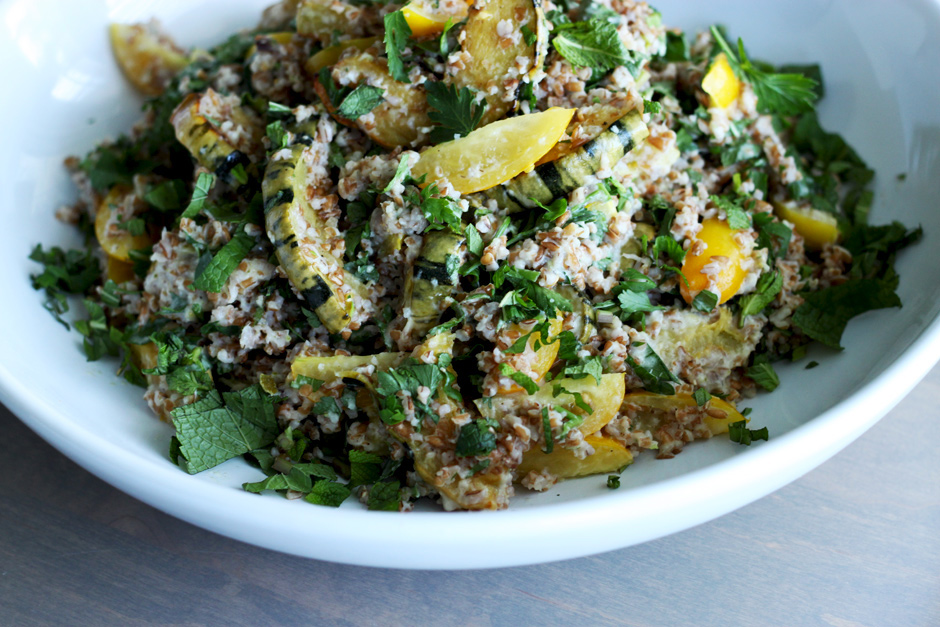
As the colder months descend, our culinary inclinations often drift towards hearty, comforting dishes. Yet, amid the richness of holiday feasts and warming stews, there's a crucial element that often gets overlooked: balance. The absence of bright, zesty notes can leave a meal feeling heavy and one-dimensional. Enter the winter tabbouleh with roasted delicata squash – a vibrant, substantial, yet refreshingly light dish poised to revolutionize your winter table. It’s a dish that not only offers a beautiful burst of color and texture but also masterfully introduces the much-needed counterpoint of acid to rich, savory flavors.
This article delves into the secrets of crafting an impeccable winter tabbouleh, focusing on the critical acid-to-fat ratio in its dressing and expert tips for bringing all its components together. We'll explore how this humble grain salad, elevated with seasonal ingredients and thoughtful preparation, can become the star of your holiday spread or a delightful accompaniment to any winter meal.
The Unsung Hero of Holiday Feasts: Why Acid Matters
The culinary world often celebrates the interplay of salt, fat, and heat, but the fourth pillar – acid – frequently gets short shrift, especially during festive gatherings. Chef Samin Nosrat, in her seminal work "Salt, Fat, Acid, Heat," poignantly laments the scarcity of acid on traditional holiday tables, highlighting cranberry sauce as often the sole acidic offering. Many of us can relate to the experience of spooning that tart crimson condiment over everything, seeking that elusive "bite" to cut through the richness of gravy, mashed potatoes, and stuffing.
Thanksgiving and other winter holiday meals, in particular, tend to be triumphs of tradition and comforting excess. While delicious, this can lead to a palate that feels fatigued and overwhelmed. Acid acts as a palate cleanser, awakening the taste buds and preventing dishes from becoming cloying. It brightens flavors, tenderizes, and provides a much-needed zing that transforms a good meal into a truly exceptional one. This is precisely where a well-crafted winter tabbouleh with roasted delicata squash shines, offering a multifaceted acidic counterpoint that goes far beyond a single condiment.
Mastering the Dressing: The Art of Acid-to-Fat Balance
The soul of any tabbouleh, and especially a winter rendition designed to provide balance, lies in its dressing. Achieving the perfect equilibrium between acid and fat is paramount, and it’s where many home cooks can elevate their dish from good to extraordinary. A key guideline for an excellent tabbouleh dressing is a 2:1 ratio of acid-to-fat. This isn't a rigid rule, but an excellent starting point for a dressing that is undeniably bright and sharp, without being overwhelmingly sour.
Beyond Lemon: Exploring Acidic Dimensions
While fresh lemon juice is a classic and indispensable component, incorporating a secondary acid source adds complexity and depth. Consider a blend of 1/4 cup fresh lemon juice and 1/4 cup white balsamic vinegar to 1/4 cup olive oil. White balsamic vinegar offers a milder, slightly sweeter acidity compared to its darker counterpart, and it won't discolor your vibrant tabbouleh. Other excellent acidic options include:
- Red Wine Vinegar: Provides a robust, tangy note.
- Apple Cider Vinegar: Lends a subtle fruity tang.
- Lime Juice: For a slightly different citrusy aroma and flavor profile.
The magic often happens when you layer these acids. A squeeze of fresh lemon provides immediate brightness, while a good quality vinegar offers a more rounded, lingering tang. Always use freshly squeezed citrus juice – bottled alternatives simply don't deliver the same vibrant flavor.
Choosing Your Healthy Fats
The fat component in your dressing is equally vital. It carries and distributes the flavors of the acids and herbs, provides a luxurious mouthfeel, and mellows the sharpness of the vinegar and lemon juice. Extra virgin olive oil is the traditional and best choice for tabbouleh. Its fruity, peppery notes complement the fresh ingredients beautifully. Opt for a high-quality, cold-pressed olive oil for the best flavor. While other oils like avocado or walnut oil could be used for variation, EVOO provides that authentic Mediterranean foundation. Remember, the quality of your ingredients directly impacts the final taste, so invest in good oil.
Crafting Your Winter Tabbouleh: Beyond the Basic Grains
What transforms a standard tabbouleh into a "winter" tabbouleh? It's the thoughtful inclusion of seasonal ingredients that bring warmth, sweetness, and festive cheer, all while maintaining the salad's inherent freshness. The foundation, of course, remains the grain and the herbs.
Traditionally, tabbouleh uses fine bulgur wheat, which is soaked rather than cooked, giving it a delightful al dente chew. For a gluten-free alternative, cooked quinoa makes an excellent substitute, adding a protein boost. Whichever grain you choose, the generous incorporation of finely chopped fresh parsley and mint is non-negotiable. These herbs provide the signature verdant color and invigorating flavor that define tabbouleh.
The Allure of Roasted Delicata Squash
The star ingredient that truly elevates this dish to a winter delight is the roasted delicata squash. Delicata squash is a gem of the autumn and winter months, prized for its sweet, nutty flavor and creamy texture when roasted. Unlike other squash varieties, its skin is thin and edible, eliminating the need for tedious peeling. This makes preparation a breeze and adds a rustic charm to the dish.
Roasting the delicata squash brings out its natural sugars, creating tender, caramelized crescent moons or rings that offer a delightful contrast to the tart dressing and crisp herbs. To roast, simply slice the squash (scooping out seeds), toss with a little olive oil, salt, and pepper, and roast until tender and lightly browned. Some like to add a touch of maple syrup or a pinch of cinnamon for an extra layer of warmth. The inclusion of roasted delicata not only adds substantial goodness but also makes the winter tabbouleh with roasted delicata squash visually stunning – "especially festive and pretty," as many attest.
A Symphony of Textures and Flavors
Beyond the grain, herbs, and squash, the magic of winter tabbouleh lies in its textural and flavor contrasts:
- Pomegranate Arils: These juicy, ruby-red gems burst with sweet-tart flavor, adding both visual appeal and a delightful crunch.
- Currants: Small, dried currants provide pockets of concentrated sweetness and chewiness, complementing the fresh herbs and sharp dressing. Dried cranberries are also a fantastic alternative.
- Toasted Almonds: Lightly toasted sliced or slivered almonds (or pistachios, walnuts) contribute a satisfying crunch and nutty depth, anchoring the brighter flavors.
- Other Additions: Consider finely diced red onion for a gentle bite, cucumber for added freshness, or even a handful of baby kale for more greens, making it a festive, balanced side for any meal.
The goal is to create a harmonious blend where each component plays a role, from the soft grain and tender squash to the crunchy nuts and popping pomegranate. This intricate balance is what makes each spoonful so satisfying.
Assembling Your Masterpiece: Dressing & Serving Tips
The sequence of assembly is crucial for a tabbouleh that truly sings. Follow these expert tips for the best results:
- Dress Without the Squash First: Combine your prepared grain, herbs, pomegranate, currants, and toasted almonds in a large bowl. Pour the dressing over these ingredients first. The reason for this is twofold: it allows the grains and herbs to fully absorb the vibrant flavors of the dressing, and it prevents the delicate roasted delicata squash from getting soggy or crumbling prematurely.
- Allow to Rest and Mingle: Let the dressed tabbouleh mixture sit for at least 10-15 minutes. This crucial resting period allows the flavors to meld and deepen, transforming the individual components into a cohesive, flavorful salad.
- Taste and Adjust: After resting, taste the tabbouleh. This is your opportunity to fine-tune the flavors. Does it need more acidity? Add another squeeze of lemon. A pinch more salt? A dash of black pepper? Perhaps a tiny bit of sugar or maple syrup to balance the sharpness? Trust your palate.
- Gently Fold in the Squash: Once the seasoning is perfect, add the cooled roasted delicata squash. Toss very gently to combine, being careful not to mash the tender squash pieces. The goal is to distribute them evenly while maintaining their beautiful shape and texture.
Serve your winter tabbouleh with roasted delicata squash at room temperature as a stunning side dish, a light vegetarian main, or as part of a larger holiday spread. Its substantial yet light profile, combined with its bright and festive appearance, makes it a versatile and impressive addition to any winter table.
Conclusion
Crafting the perfect winter tabbouleh is an exercise in balance and thoughtful flavor pairing. By paying close attention to the acid-to-fat ratio in your dressing and incorporating the delightful sweetness of roasted delicata squash, you can create a dish that is both familiar and exciting. This vibrant salad offers a refreshing counterpoint to the richness of winter cuisine, proving that wholesome, fresh ingredients can hold their own alongside traditional indulgences. Embrace the joy of this festive dish and let it bring a burst of sunshine and zesty brightness to your table. For more ideas on how to Brighten Your Holiday Menu: Winter Tabbouleh's Acidic Zest, explore our guide. And discover more about Winter Tabbouleh with Delicata: A Festive, Balanced Side for Any Meal, ensuring your winter meals are as balanced as they are delicious.
